
"business growth"
2000 article(s) found

On-site visit to Starbucks Coffee takeout: sales are pitifully small, even worse than running errands.
Professional coffee knowledge exchange more coffee bean information please follow the coffee workshop (Wechat official account cafe_style) November 2, Beijing time, Starbucks announced its fiscal year 2018 fourth quarter financial results, data show that its fourth quarter total net revenue of 6.3 billion U.S. dollars, compared with the same period last year, an increase of 11 percent, earnings per share of 0.62 U.S. dollars, an increase of 13 percent over the same period last year, exceeding

Looking forward to the development trend of coffee in China
1. Great potential for the development of the domestic coffee market after China's entry into WTO, China's economy is developing rapidly, people's living standards are constantly improving, and coffee is being accepted by more and more Chinese. Coffee is no longer just a drink, it is gradually closely linked with fashion and taste, or make friends and talk, or business talks, or leisure, in a cup of coffee filled with music.

Coca-Cola reports annual revenue of $33 billion in 2020!
On Feb. 10, global beverage giant Coca-Cola released its results for the fourth quarter and full year of 2020. Coca-Cola's fourth-quarter revenue was $8.61 billion, in line with market expectations, operating profit was $2.34 billion, up 8% from a year earlier, and earnings per share were $0.47, higher than market expectations of $0.42, according to financial data. Chairman and Chief Executive of Coca-Cola Company
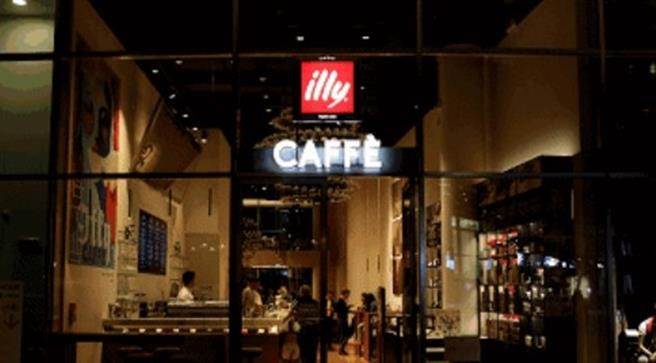
Illy joins Starbucks with a new competitor
For professional baristas, please pay attention to the current Chinese market for coffee workshops (Wechat official account cafe_style). Although coffee consumption is still not popular enough, it has created the fastest growth in the world. So the market wind also changes, although it is not easy to make a profit, the shop closure rate is not low and other practical problems, but still can not stop the enthusiasm of the players. The hot and dry market is closer to consumers.
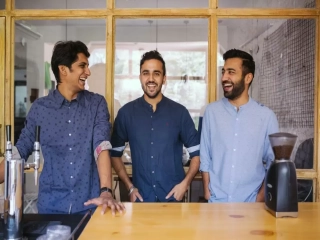
Three young men in India resigned to start a coffee brand with round A financing as high as $6.5 million!
Just today, SleepyOwl, a Delhi-based coffee brand, raised $6.5 million in growth capital in round A financing. The latest round is led by existing investors RukamCapital, followed by DSGConsumerPartners, and Dexter
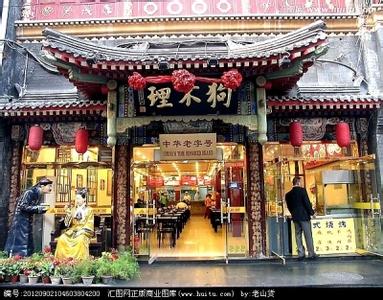
GouBuLi coffee selling "time-honored brand" cross-border operation can be popular and popular
GouBuLi is going to sell coffee! in January 2015, Tianjin GouBuLi Group, a Chinese time-honored brand with a history of more than 150 years, won the permanent right to use Gloria, Australia's largest coffee chain, in China. This means that GouBuLi has become the owner of this well-known international brand in the Chinese market and a sharp weapon for GouBuLi to expand China's local catering market. On February 3, the CPPCC National Committee

This year, the operation of the coffee shop is a bit "bitter".
Four years ago, European-style cafes appeared on the streets of Wenzhou and grew rapidly in the next two years. In the past two years, the business of the cafe has quietly fallen into silence. A choice is now in front of the operators. After the peak season around the Spring Festival, should the store continue to open or close its business decisively? Do you want to stick to the coffee culture, or will the transformation introduce other themes? Zheng Junjie, a reporter from ■ Wenzhou Metropolis Daily

Coffee Industry Future Design trend Coffee Industry Coffee will continue to be popular in China's Coffee Market
With the gradual infiltration of western culture, coffee culture began to be popular in China. With the accelerated pace of life and the improvement of the quality of life, an elegant cafe and a cup of fragrant coffee have become an essential part of people's modern life, business, leisure and even love. With the growth of coffee culture, cafes in many cities in China are springing up like bamboo shoots after a spring rain.

Coffee consumption continues to grow Shanghai wants to create the largest coffee market in Asia
Do you know? Coffee is the second largest commodity in the world after crude oil. People around the world drink more than 2 billion cups of coffee every day, more than 25 million households make a living by growing coffee, and more than 400 million people are engaged in coffee-related industries. Although Starbucks has opened 1500 stores in China and will expand at a rate of 18 hours, coffee is still in China.
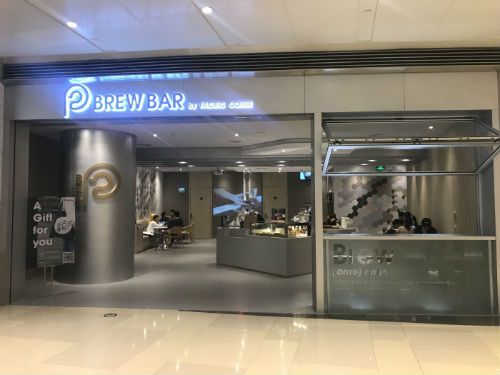
Pacific Coffee localization unfavorable launch upgrade brand to enter the "boutique coffee" market
Professional coffee knowledge exchange More coffee bean information Please pay attention to coffee workshop (Weixin Official Accounts cafe_style) repeatedly tried to introduce local elements such as national wine and tea into the products, but the results were not good. Pacific Coffee tried to enter the boutique market, opened the boutique coffee shop Brew Bar to the International Trade Mall, and marked the growth altitude, processing method, processing station and roasting of coffee beans in hand.

China's coffee consumption market will usher in a new era of "street coffee"
Professional baristas please follow the coffee workshop (Wechat official account cafe_style) data source: according to Chinanews.com, as an international trade commodity, coffee was produced in the world by about 8.5 million tons in 2015, with major coffee-producing countries such as Brazil accounting for 70 per cent of global coffee production. The scale of the global coffee consumption market is about 12 trillion yuan, with annual consumption.

Luckin Coffee was selected as China's TOP10 on the list of Global Innovation Enterprises.
Professional coffee knowledge exchange more coffee bean information please follow Coffee Workshop (Wechat official account cafe_style) on February 20th, the well-known American business magazine "Fast Company" (Express) released the 2019 list of the world's most innovative companies. Luckin Coffee, who has been in operation for one year, was selected as China's most innovative company in TOP 10, becoming the fastest on the list. In "Fast Compa"

Maxwell was pulled out to restructure the instant coffee market.
Mondelez International, which was spun off from Kraft Foods two and a half years ago, has reintegrated its business, this time the coffee business Maxwell. The Nandu reporter saw in a "list of cases of unconditional approval of operator concentration in the fourth quarter of 2014" published on the official website of the Ministry of Commerce in the middle of this month. The Ministry of Commerce has approved Mondelez International and Aikang Control, which will take out the coffee business.

Australian coffee industry sets off a trend of consolidation strong growth in the retail coffee market
The strong growth of the Australian retail coffee market has spurred major coffee brands to consider asset consolidation, expand their operations and increase their market share, Australia China Finance online reported. According to the report, the overall size of the Australian coffee industry is more than A $4 billion, of which the retail coffee sector is about A $3.2 billion, but there is not a single giant in the market.
Coca-Cola once again enters the mainland coffee market and makes its debut in Hangzhou.
Unexpectedly, Coca-Cola also has coffee. Is this to compete with Nestle and Starbucks for business? Yesterday, Xiao Qin, who was shopping in a supermarket in the west of the city, accidentally found a new face on the coffee and beverage shelf. After the beverage industry has said goodbye to the golden era of high growth, instant coffee, a niche beverage market with a high compound growth rate of 34.2%, is making it a new favorite in the industry. In contact with Nestle's

Chinese people fall in love with coffee foreign coffee chains are growing rapidly in China
The picture of a Starbucks store in China comes from a report by foreign media on December 30 that many foreign brands and business models from Best Buy to B & Q have encountered a Waterloo in China. However, the Western retail concept of foreign coffee shops, which was perhaps the least likely to succeed, has flourished in China. According to a report on the Financial Times website on December 29,

Development Prospect of Coffee joining Industry
Secondly, what are the main types and future development trends of coffee franchise? According to market analysis, at present, most coffee franchisees in mainland China are commercial coffee shops, mainly for business negotiation, couple dating, chess and card leisure, and the per capita consumption value is on the high side, the period of time is long, and the age is too old. In recent years, many coffee brands have joined mainly leisure coffee, and the main body has created the third space of urban life.

A brief introduction to the History and Culture of the Origin and Development of Panamanian Hartmann Fine Coffee beans
Today's Hartman Manor is a family business founded by Latip Hartman (son of Eloise) in 1940. In 1966 Latip married Dinola Sandy of Costa Rica. They have five sons, Latipa Jr., Alan, Alexander, Alice and Kelly. Each family member is responsible for the growth management, harvest treatment and manor visit of the coffee.

What is the reason for the move to promote the 5-yuan market by drinking coffee?
It is reported that before 2003, the domestic ready-to-drink coffee beverage market was in the stage of enlightenment and did not form a large sales volume. With the increasing diversification of the beverage market, subdivided categories emerge in endlessly, and coffee drinking has also made great progress. From 2003 to 2008, Uni-President Yaha made a strong debut, Nestl é, Kraft and other foreign enterprises continued to make efforts, and the domestic ready-to-drink coffee market entered a stage of rapid growth.

Why doesn't capital like 70 billion of China's coffee market?
According to the popular statistics in the market, the size of China's coffee consumption market reached 70 billion in 2015, and it is breaking out at an annual growth rate of 15%, reaching a trillion yuan by 2025. Paradoxically, why is capital dismissive of a thriving industry with a market size of 70 billion and a market growth rate of 15 per cent? To this end, Nei Shenjun specifically asked several senior capitalists.